
Buyer guide
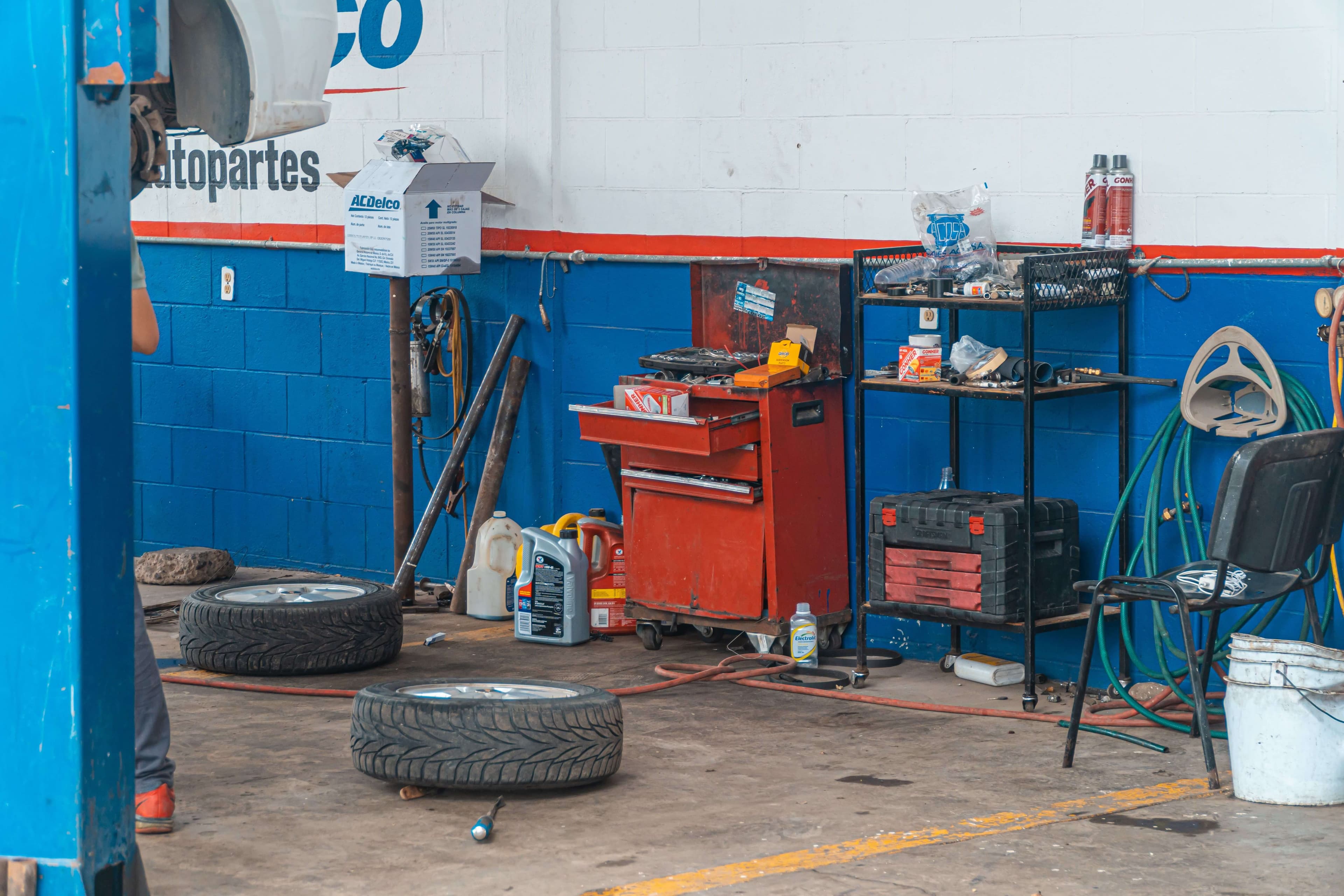
How to Buy Spare Parts at Abossey Okai Without Being Cheated
A practical guide to what to ask, what to inspect, and how to know which shop has your part before you leave home.
6 min readRead guide

The MyFita Journal
Practical guides grounded in how Ghana's spare-parts market actually works.
Practical knowledge, clear next steps
40 guides to explore
A practical guide to what to ask, what to inspect, and how to know which shop has your part before you leave home.

Understand the trade-offs between genuine, aftermarket, refurbished and used parts before you pay.
Currency, freight, availability and condition all influence what a seller can quote today.
A better search and confirmation routine can save mechanics and drivers an unnecessary trip.

Packaging, weight, printing, price and seller answers can all reveal when something deserves a closer look.
The parts most affected by traffic, heat, dust, potholes and frequent stopping—and the symptoms to watch.
Build a repeatable sourcing routine that protects workshop time and gives clients clearer updates.
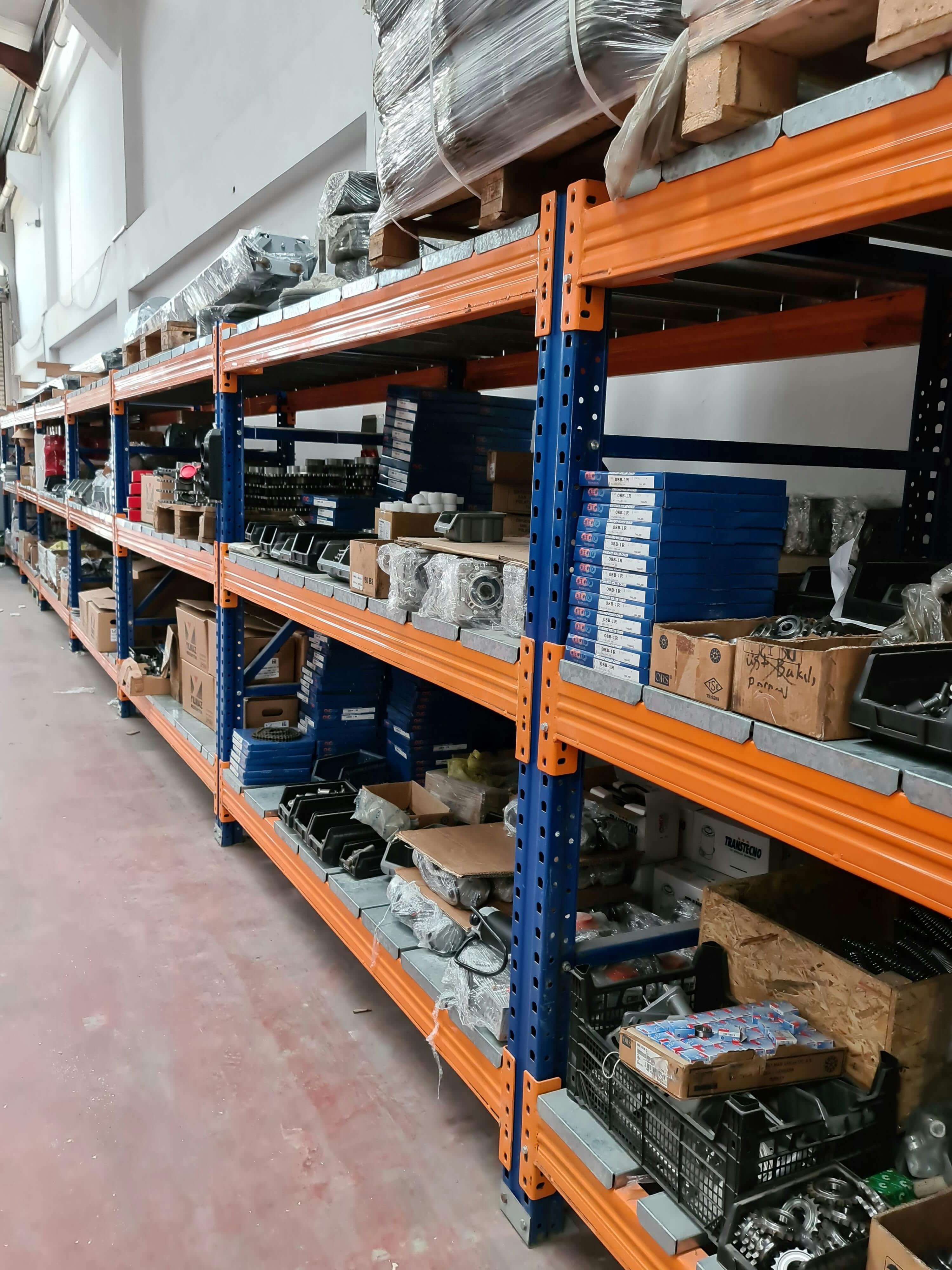
Digital visibility helps good shops get discovered beyond passing trade without changing how they do business.
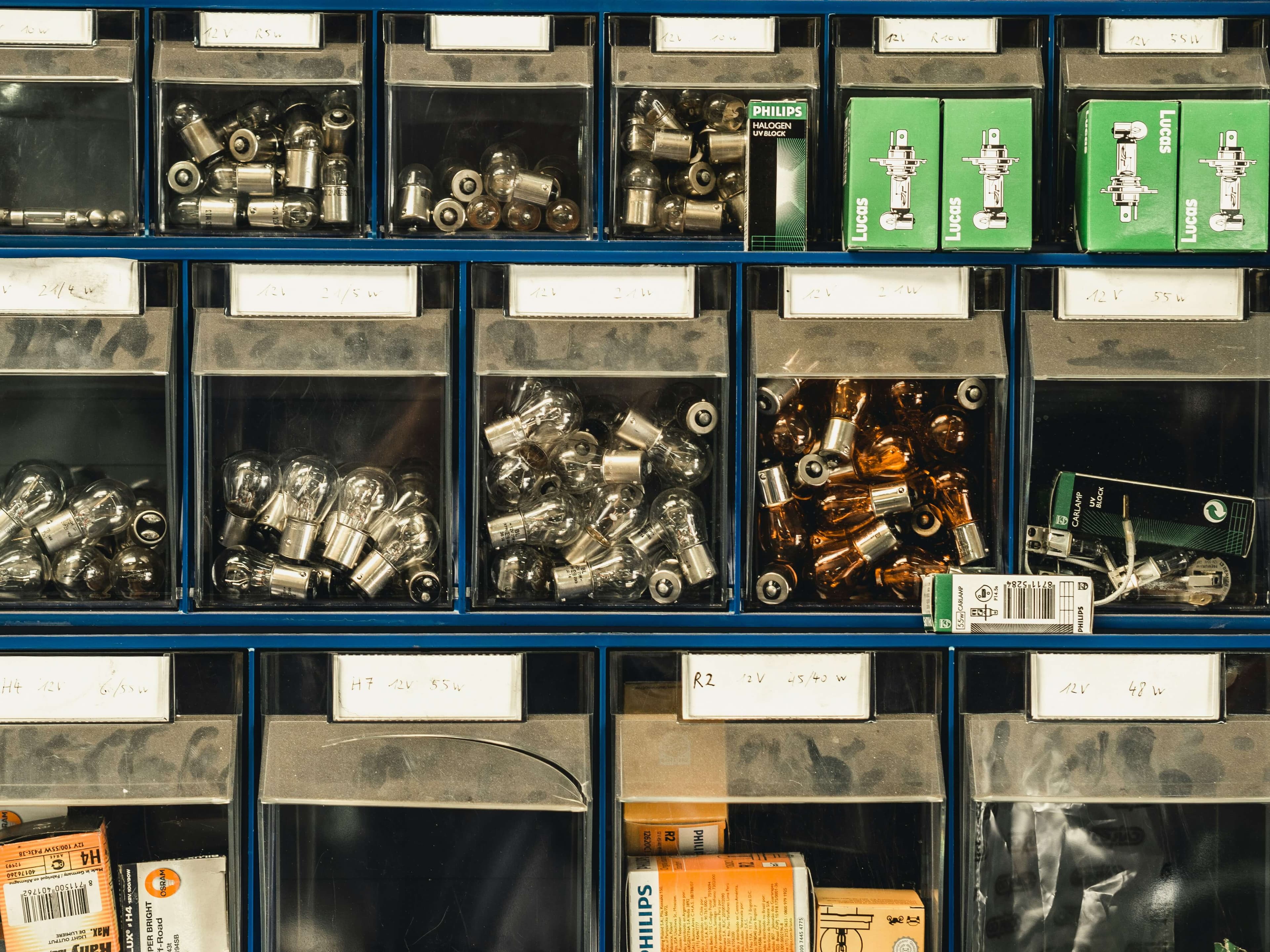
The same part may have several local, technical or brand names. Better descriptions produce better results.
How specialist shops, relationships and referrals make the market work—and how to arrive better prepared.
A practical brief for a Kumasi workshop or a buyer sourcing from another city.
Keep the listing, shop directions and collection instructions together.
A location checklist for parts buyers and the people collecting for them.
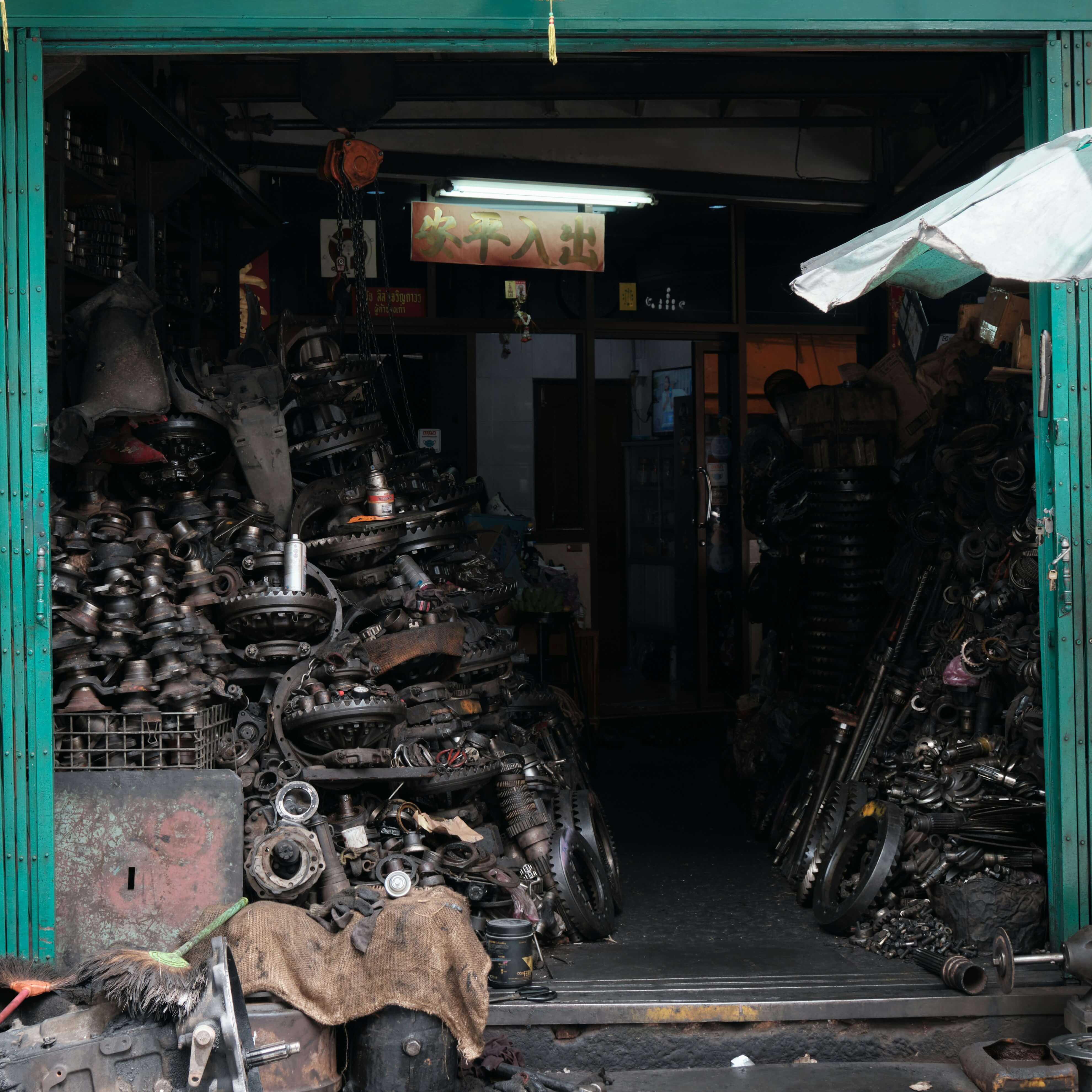
Why the model name alone may not identify the component you need.
Avoid a common mismatch when ordering mirrors, lamps and other paired parts.
Capture useful evidence without dismantling or handling unsafe components.
Separate diagnosis, sourcing options and approval before spending.
Keep several vehicles and repair jobs from becoming one confusing enquiry.
Urgency should sharpen the enquiry, not replace verification.
A preparation guide, not a diagnosis or repair checklist.
Use the vehicle's requirements, not a generic shopping bundle.

Size, specification and professional inspection come before the quote.
Keep high-voltage work out of a trial-and-error parts search.
Compare equivalent offers before deciding that one price is better.
Confirm the seller, the item and the agreement before sending money.
Help a rider, colleague or relative recognise the right item.
A repeatable photo routine without a studio or expensive equipment.
Lead with the part, then add useful vehicle context.
Keep the digital shelf close to what is actually available.
Help buyers confirm the part, price and collection details.
Step by step
Set up as a car owner, mechanic or fleet operator.
Step by step
A walkthrough from search results to a useful seller conversation.
Step by step
Keep potential options together without confusing a save with a reservation.
Step by step
Write a clear request, review it and know what a match means.
Step by step
Personalise the account and save the website to your device.
Step by step
Understand the shop setup route and what comes after submission.
Step by step
Keep account information accurate without confusing it with listing content.
Step by step
A practical walkthrough of the three-step listing form.
Step by step
Use the inventory action menu deliberately.
Step by step
Read enquiries, contact actions and notification preferences correctly.